
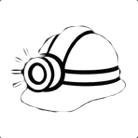
 Three independent lights for every caver.
For an active emergency
Call South Africa’s national emergency number 112 from a mobile phone or the appropriate provincial emergency service. State clearly that the incident is underground. Give the cave or property name, access arrangements, the last known location, number of people, injuries, hazards and your callback number. Then contact the relevant caving club or recognised cave-rescue coordinator. Do not send an untrained party underground.
This page is introductory guidance, not a substitute for training, competent leadership or a cave-specific risk assessment. Conditions can change rapidly and an incident that is minor on the surface may require many hours and a large team to resolve underground.
The non-negotiables
- Never cave alone. Use a group appropriate to the route and maintain contact.
- Obtain access permission; know gates, keys, landowner conditions and closing times.
- Leave a written call-out: cave, party, vehicle, route, entry time and overdue time.
- Each person carries three independent light sources with sufficient power.
- Wear a properly fitted helmet throughout the underground trip.
- Match the cave to the least experienced person and turn back before reserves are exhausted.
- Check weather over the whole catchment, not only at the entrance.
Planning the trip
A leader should understand the route, known hazards, water behavior, navigation, access and realistic duration. Confirm each participant’s competence, fitness, medical considerations and equipment. Agree a turnaround time. A route description or survey is useful, but it does not replace local knowledge and good judgement.
The surface call-out
Your responsible contact needs enough information to raise the alarm without guessing. Record the exact party list, intended route, vehicle details, relevant landowner contact, the time the group will be out and the later time at which help must be called. Explain whom to call. When the trip ends, cancel the call-out immediately.
Light, helmet and clothing
Your primary lamp should be helmet mounted so both hands remain free. Backup lights must be independently powered and accessible in darkness. Test everything before entry. Dress for the cave rather than surface heat: prolonged immobility during an incident can cause cold stress even in a relatively warm cave. In wet systems, choose appropriate thermal protection and pack emergency insulation.
Flooding and weather
Rain far from the entrance can feed a cave through its catchment. Dry passages may become sumps, waterfalls may intensify and low crawls can fill. Do not enter a flood-prone cave when rain or thunderstorms are forecast, when catchments are saturated, or when local advice says conditions are unsafe. If water rises, move early to a known safe exit or high point; never gamble on crossing fast water.
Vertical caves and rope work
Single Rope Technique (SRT) is a trained discipline. Ropes must be rigged by competent people, protected from abrasion and loose rock, and checked for safe rebelays, anchors and retrieval. Every vertical caver needs compatible personal equipment, the ability to change over direction, pass obstacles and deal with foreseeable problems. Do not learn these skills for the first time over an exposed pitch.
Common underground hazards
Falls and rock
Three points of contact, controlled movement and spacing reduce risk. Do not stand beneath climbers or dislodge rock. Treat loose breakdown and excavations cautiously.
Navigation
Keep the party together, mark nothing permanently and use an approved survey. If lost, stop, conserve light and retrace only when confident.
Air quality
Low oxygen or harmful gases may occur in confined, flooded, polluted or biologically active spaces. Breathlessness, headache, confusion or unusual flame behavior are warnings: withdraw immediately.
Entrapment and fatigue
Do not force tight squeezes. Keep energy, food, water and lamp reserves for the return. Fatigue leads to poor movement and poor decisions.
If something goes wrong
- Stop and make the scene safe. Protect the casualty and party from water, falling rock, cold and further movement.
- Give first aid within your competence. Keep the person warm, monitor them and avoid unnecessary movement, especially after a fall.
- Send a clear message. Ideally two capable people travel together to raise the alarm, leaving enough people and equipment with the casualty.
- Preserve information. Record the time, exact location, injuries, treatment, route hazards and equipment needed.
- Await coordinated help. Cave rescue is specialised. Uncoordinated attempts can injure more people and obstruct rescuers.
After the trip
Cancel the call-out, report damage or unusual hazards, clean and inspect equipment, and discuss near misses without blame. Useful incident learning makes the next trip safer.
Build skills with a club
Training in movement, rigging, SRT, first aid, surveying and rescue awareness is best learned in person. Begin with the Start Caving guide and contact a SASA regional club.